If you have been searching for a legitimate, well-paying job abroad with visa sponsorship, this farm assistant job in New Zealand poultry and egg production might be exactly what you have been waiting for.
New Zealand’s agricultural sector is booming. And right now, poultry and egg farms across the country are actively recruiting international workers to fill roles that pay up to NZD $77,000 per year. That is not a typo. We are talking about a full-time, permanent position with a competitive salary, employer-sponsored visa processing, and in many cases, subsidized on-farm housing.
This guide breaks down everything you need to know: what the job involves, who qualifies, how the visa sponsorship works, what life actually looks like on a New Zealand poultry farm, and how to position yourself to land the role.
Let us get into it.
What Is the Farm Assistant Job in New Zealand Poultry & Egg Production?
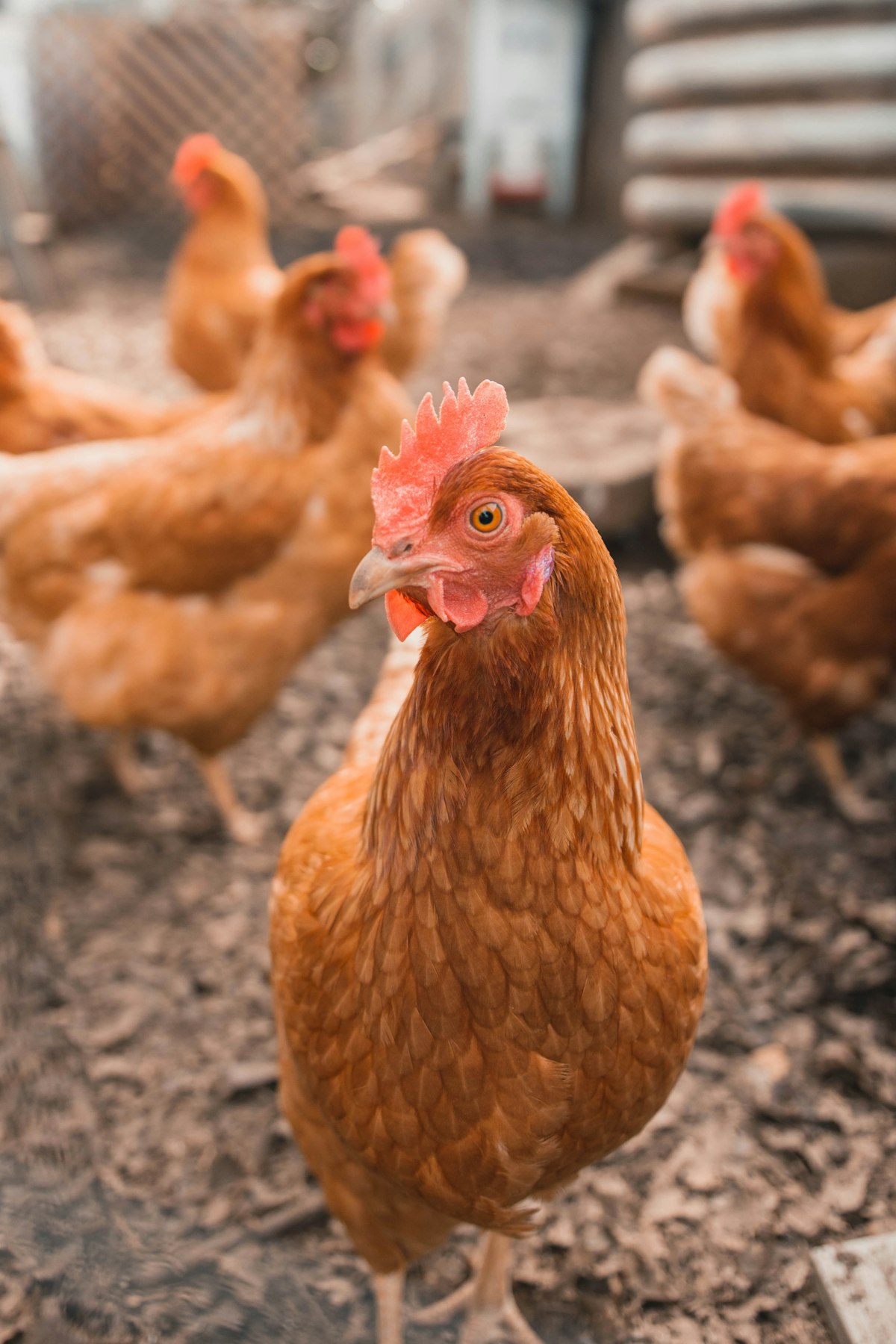
A farm assistant in New Zealand’s poultry and egg production sector supports the daily management of a commercial poultry site. These are not backyard chicken coops. New Zealand’s industry generates over NZD $884 million annually in poultry meat and egg farming revenue, and these facilities run like well-oiled machines.
Your day-to-day responsibilities typically include:
- Collecting and grading eggs from production units
- Monitoring flock health and bird welfare standards
- Feeding, watering, and observing poultry behavior
- Maintaining strict biosecurity protocols to prevent disease
- Recording production data accurately using farm management software
- Cleaning and sanitizing sheds and equipment
- Supporting the Farm Manager with operational tasks
- Communicating effectively with supervisory staff
The shift usually starts early, often around 5 AM or 6 AM, but your day typically wraps by early afternoon. It is physically active work done mostly outdoors and in temperature-controlled sheds. If you prefer being on your feet rather than sitting at a desk, this is your kind of job.
The Salary Breakdown: What Does $77k Actually Mean for You?
Here is the number everyone wants to understand.
Poultry and egg production adviser roles in New Zealand sit within a salary band of NZD $76,463 to $89,215 per year, depending on skills and experience. Farm assistant positions typically start around NZD $55,000 to $65,000 per year for entry-level candidates, with experienced workers and those holding agricultural qualifications earning NZD $70,000 to $77,000+.
At NZD $77,000 annually, your rough monthly gross is about NZD $6,416 per month.
Now factor in the perks:
On-farm accommodation: Many poultry farms offer subsidized housing deducted at around NZD $150 to $200 per week from wages. That means you are effectively saving on one of New Zealand’s largest living expenses from day one.
Healthcare: New Zealand operates a public healthcare system under ACC (Accident Compensation Corporation). As a work visa holder, you are covered for accident injuries. Many employers also contribute to supplementary health insurance.
Overtime and bonuses: Production-linked bonuses during peak seasons are common. Experienced workers who take on supervisory duties often see their base pay rise above the advertised figure within 12 to 18 months.
Residency pathways: This is the long game. After working in New Zealand under the Accredited Employer Work Visa (AEWV), many farm workers become eligible to apply for residence pathways. We will cover this in detail below.
The Visa Sponsorship: How the Accredited Employer Work Visa (AEWV) Works
This is where it gets serious and important.
To work legally in New Zealand as an immigrant, most applicants need the Accredited Employer Work Visa (AEWV). This is the primary sponsored work visa pathway for skilled and semi-skilled roles, and it is your ticket into the country.
Here is how the process flows:
Step 1 – The employer gets accredited. Before sponsoring any international worker, the New Zealand employer must be approved by Immigration New Zealand (INZ) as an accredited employer. This process ensures the company meets fair employment standards, pays market rates, and is a legitimate operation.
Step 2 – The job is advertised locally. Employers must first prove no suitable New Zealand resident or citizen is available by advertising the role on platforms like Farm Source Jobs or national job boards for at least three weeks. If no local candidates are found, they can proceed with international recruitment.
Step 3 – You receive a job offer. Once selected, you receive a formal employment agreement from the accredited employer. This document forms the foundation of your visa application.
Step 4 – You apply for the AEWV. Armed with your job offer, you submit your AEWV application online through the Immigration New Zealand portal. You will need your passport, police clearance certificate, and any evidence of relevant qualifications or work experience.
Step 5 – You enter New Zealand and start work. Processing times vary, but once approved, your visa allows you to live and work legally for the duration of your employment contract, typically up to five years for roles like this.
Key 2025 AEWV updates you need to know:
From 18 August 2025, the AEWV median wage threshold updated to NZD $33.56 per hour. This affects eligibility for various income-linked benefits under the visa. Additionally, from March 2025, employers are no longer required to pay the median wage for all roles, but they must still pay migrant workers the New Zealand market rate on par with local workers.
The current minimum wage sits at NZD $23.50 per hour as of April 2025. Most poultry farm assistant roles pay well above this, especially at the $77k level.
If you want to apply for your AEWV, visit the official Immigration New Zealand portal at immigration.govt.nz to verify current requirements before submitting your application.
Farm Assistant Job in New Zealand vs Farm Assistant Job in the UK: Which Is the Better Move?
Let us be direct. Both countries are actively recruiting international poultry farm workers. But they are not equal opportunities.
Here is a clear comparison to help you decide:
| Factor | New Zealand (Poultry Farm Assistant) | United Kingdom (Poultry Farm Assistant) |
|---|---|---|
| Average Annual Salary | NZD $55,000 – $77,000+ | GBP £29,505 – £35,000 |
| Visa Type | AEWV (employer-sponsored) | Skilled Worker Visa |
| Minimum Wage (2025) | NZD $23.50/hr | GBP £11.44/hr |
| Housing Included | Often yes (subsidized) | Rarely |
| Residency Pathway | Yes (Green List & Skilled Migrant Category) | Yes (5-year settlement route) |
| Work Permit Duration | Up to 5 years | Up to 5 years |
| Quality of Life Ranking | Consistently top 10 globally | Variable |
| Cost of Living | Moderate-high (offset by perks) | High (especially urban areas) |
| Language Requirement | Basic English sufficient | Basic English sufficient |
| Climate | Temperate, clean air, outdoor lifestyle | Cooler, less outdoor lifestyle |
Verdict: New Zealand offers a higher salary ceiling, a clearer residency pathway, and a lifestyle that consistently ranks among the best on the planet. The UK offers proximity to Europe and a larger job market. For someone prioritizing long-term immigration, quality of life, and earning potential in agriculture, New Zealand wins on almost every measurable metric.
What Life Actually Looks Like on a New Zealand Poultry Farm
Let us be honest about what you are signing up for. This is not office work. But for many people, that is exactly the appeal.
New Zealand’s poultry farms are concentrated across several key regions including Taranaki, Waikato, Canterbury, and Bay of Plenty. These are predominantly rural areas with fresh air, stunning landscapes, and close-knit farming communities.
Your typical week as a farm assistant might look like this:
Monday to Friday (and some weekends): Early starts at 5 AM or 6 AM. You will do egg collection rounds, check flock welfare, log production data, clean equipment, and report any health issues to the Farm Manager. By early afternoon, your shift is typically done.
Housing: On-farm accommodation usually consists of a furnished room in shared worker housing, sometimes a self-contained cottage for senior staff. Kitchens, laundry, and utilities are typically included, with a modest weekly deduction from your wage.
Social life: Rural New Zealand is genuinely welcoming to migrant workers. Many farms run orientation programs for new international staff and pair you with a buddy or mentor during your first weeks. Nearby towns often have active community groups, sports clubs, and cultural organizations.
Banking and finances: You will need a New Zealand bank account once you arrive. Most major banks like ANZ, BNZ, Westpac, and ASB allow immigrants to open accounts with a work visa. International money transfer services like Wise or Remitly make it easy to send earnings home at low cost.
Healthcare: New Zealand’s public healthcare system covers residents and visa holders for urgent treatment. As a farm worker, you are automatically covered by the ACC scheme for any work-related injuries at no cost to you.
Ready to explore what this lifestyle looks like firsthand? Reach out to recruitment agencies specializing in New Zealand agricultural placements, such as Agstaff NZ or FRENZ Recruitment, who can give you a realistic preview of life on specific farms before you commit.
Do You Qualify? Eligibility Criteria for International Applicants
Here is the good news: this is one of the more accessible pathways into New Zealand for immigrants without a university degree.
You likely qualify if you:
- Have previous experience in poultry farming, livestock handling, egg production, or any agricultural role (formal or informal experience counts)
- Are physically fit and capable of working outdoors in all weather conditions
- Communicate in basic English (you do not need IELTS unless specifically required by your employer)
- Hold a valid passport for at least three months beyond your planned stay
- Can provide a clean police clearance certificate (mandatory from December 2025 onwards)
- Are willing to relocate to rural New Zealand
Experience and qualifications:
No formal degree is required for entry-level farm assistant roles. However, holding a Level 4 or above agricultural qualification can fast-track your eligibility and may exempt you from certain AEWV skill assessment requirements. Even two or more years of documented work history in a similar role counts as equivalent to that qualification.
No prior experience?
Some employers, particularly in poultry farm labour positions, advertise with no prior qualification required. These tend to start at lower salary bands but offer excellent on-the-job training, with genuine promotion pathways into supervisory roles within two to three years.
The Residency Pathway: From Farm Assistant to Permanent Resident
One of the most powerful things about this visa and this role is what it can lead to.
New Zealand has two primary residency pathways for agricultural workers:
1. The Skilled Migrant Category (SMC): This points-based residence visa rewards skilled employment, qualifications, and time spent working in New Zealand. Farm workers who have been employed in recognized skilled roles, particularly at herd manager level or above, can qualify after approximately two years of continuous employment at or above the relevant wage threshold.
2. The Green List: Senior agricultural roles including herd managers and certain farm management positions are listed on New Zealand’s Green List, meaning they come with a direct pathway to residence without needing to meet the full SMC points requirement. If you start as a farm assistant and work your way up to herd manager or farm manager level (which typically takes two to four years), this route opens up.
For lower-skilled roles: Workers in lower ANZSCO skill levels can now qualify for the full five-year AEWV duration if they meet the updated wage thresholds, giving them more time to build their New Zealand work history and strengthen a future residence application.
This is not just a job. It is the beginning of a legitimate immigration journey, and one of the more realistic pathways to New Zealand permanent residency available to agricultural workers right now.
The Poultry & Egg Industry in New Zealand: Why This Sector Is Hiring Right Now
Understanding why there are vacancies helps you craft a better application and understand the long-term stability of the sector.
New Zealand’s poultry meat and egg farming industry generated approximately NZD $884.5 million in revenue in 2025-26, employing around 2,264 workers across 455 businesses nationwide.
Several factors are driving international recruitment:
Regulatory shifts: Recent regulations have accelerated the phase-out of conventional caged egg farming in New Zealand, boosting demand for barn-laid and free-range egg production. These systems require more hands-on management per bird than cage systems, increasing demand for farm staff.
Rising consumer demand: Health-conscious New Zealanders are actively replacing red meat with chicken and eggs as primary protein sources. That rising domestic demand translates directly into farm-level hiring.
Skills shortage: The agriculture sector has consistently struggled to fill farm assistant and supervisory roles with local workers. The government has responded by making the AEWV pathway more accessible and flexible, particularly for hard-to-fill agricultural roles.
Avian influenza management: The recent avian influenza outbreak has made farm-level biosecurity and health monitoring more critical than ever, creating demand for diligent, trained farm assistants who take animal welfare seriously.
This is an industry that needs you, and that has the regulatory support and employer infrastructure to bring you in legally, fairly, and with genuine long-term prospects.
How to Apply: A Step-by-Step Guide for International Candidates
Here is your practical roadmap.
Step 1: Build your CV for New Zealand employers. Your CV should be no more than two pages. Lead with relevant agricultural or livestock experience, even informal or family farm work. Quantify wherever possible: number of animals managed, flock sizes, production volumes you contributed to.
Step 2: Get your documents in order. You will need your valid passport, certified copies of any agricultural qualifications or training certificates, references from previous farm or agricultural employers, and a clean police clearance certificate from your home country (and any country you have lived in for 12 months or more in the past 10 years).
Step 3: Search verified job boards. Use official or reputable platforms to find accredited employer listings. Recommended platforms include:
- SEEK New Zealand – New Zealand’s largest job platform
- Indeed NZ – Good for filtering by visa sponsorship availability
- Farm Source Jobs – Agricultural-specific listings
- Immigration New Zealand Accredited Employer List – Verify employers before applying
Step 4: Apply through accredited recruitment agencies. Agencies like Agstaff NZ and FRENZ Recruitment specialize in placing international agricultural workers with New Zealand farms that already hold AEWV accreditation. They streamline the process and often handle the initial visa paperwork coordination.
Step 5: Attend your interview. Remote video interviews via Zoom or Teams are standard for international applicants. Prepare to speak about your experience with animals, your commitment to biosecurity, your physical fitness, and your reasons for wanting to work in New Zealand specifically.
Step 6: Receive your job offer and submit your AEWV application. Once you have a formal employment agreement, submit your visa application via the Immigration New Zealand online portal. Processing typically takes four to eight weeks.
Frequently Asked Questions
Can I bring my family to New Zealand on this visa?
Yes. If your salary meets the income threshold (from 10 March 2025, this is NZD $55,844 per year for full five-year AEWV eligibility for partner work rights), your partner can apply for a Partner of a Worker Work Visa and your dependent children may qualify for student visas.
Does the employer pay for my visa?
Many accredited employers in hard-to-fill agricultural roles cover AEWV processing fees. This varies by employer and should be confirmed during your offer negotiation. The law prohibits employers from deducting visa costs from wages in a way that brings pay below minimum wage.
Do I need an IELTS score?
Not for most poultry farm assistant roles. Basic conversational English is generally sufficient. Some employers prefer a demonstrated ability to communicate clearly for safety reasons, but formal English proficiency tests are rarely mandatory.
What is the minimum wage in New Zealand in 2025?
As of April 2025, the minimum wage is NZD $23.50 per hour. Most poultry farm roles pay well above this range.
How soon can I apply for permanent residency?
Most farm workers become eligible to explore residence pathways after approximately two years of continuous, skilled employment in New Zealand, though the specific timeline depends on the visa category and wage threshold you meet.
The Bottom Line: Is This Farm Assistant Job in New Zealand Worth Pursuing?
Let us cut straight to it.
If you are an immigrant worker with agricultural experience, a genuine work ethic, and the willingness to relocate to one of the most breathtaking countries in the world, then yes. This is a serious opportunity.
A farm assistant job in New Zealand’s poultry and egg production sector offers something that is genuinely rare in the immigration space: a well-paying, employer-sponsored role in an industry that is actively growing, with a clear legal pathway into the country, subsidized housing to reduce your expenses from day one, and a realistic long-term route to permanent residency.
At NZD $77,000 per year, you are earning above the national median wage in a country where clean air, public healthcare, world-class education for your children, and an exceptional quality of life come standard.
The application process is straightforward for candidates who take the time to prepare their documents correctly, target accredited employers, and use reputable recruitment channels.
Your next step is simple. Visit Immigration New Zealand’s official AEWV page to verify current requirements for your nationality, then search SEEK or Farm Source Jobs for active poultry farm assistant listings. If you want help positioning your CV for New Zealand agricultural employers, there are immigration consultants and registered employment agencies who specialize in exactly this pathway.
New Zealand is not just looking for workers. It is looking for people who want to build something there. If that sounds like you, the door is open.
About This Article
This guide was researched and written using verified data from Immigration New Zealand, Statistics New Zealand, IBISWorld market analysis, DairyNZ immigration guidance, and current job listings on SEEK, Indeed NZ, and Farm Source Jobs. All salary figures are expressed in New Zealand Dollars (NZD) unless otherwise stated. Visa requirements and wage thresholds are accurate as of June 2026 and subject to change; always verify current details directly with Immigration New Zealand before applying.
This content is intended for informational purposes. It does not constitute legal immigration advice. For visa-specific guidance tailored to your personal circumstances, consult a licensed New Zealand immigration adviser.

Leave a Reply